
"About coffee beans"
60000 article(s) found
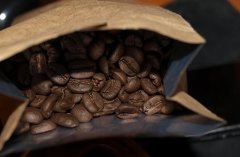
Talking about the classification of coffee flavor and talking to everyone about the flavor of coffee beans
Recently, Auchan has launched its own brand of coffee beans, Ikalama coffee beans, our coffee beans have; Blue Mountain flavor, Italian flavor, Colombian flavor, Brazilian flavor, Mantenin flavor, fully automatic coffee beans (special beans for coffee machine), so today we come to talk about the flavor of coffee beans. For those who are new to coffee, make a cup that suits you.

Baking technology paste: raw vs cooked spelling
Communication of professional baristas Please follow the Coffee Workshop (official Wechat account cafe_style) Preface: recently, when some new customers talked to me about the beans they used in their stores, they always mentioned that the beans were unstable, sometimes sour, sometimes bitter, and I don't know why. Later, I asked him to ask the baker about the formula of the beans used in his store, how to bake them, and how much they were baked.
How about coffee beans in illy?
How about coffee beans in illy? Illy Coffee uses the selected Arabica beans, which contain less caffeine than Robusta beans and have a finer, full-bodied taste and flavor. A cup of espresso coffee is made of about 50 coffee beans, and one bad bean will destroy the overall flavor. So illy Cafe

Coffee Culture: allusions about Coffee, Bean and Mother Bean
Many friends who came back from Southeast Asia talked about coffee and talked about the vocabulary of public beans and mother beans. After looking up the information, Kirin found that it was what we call flat beans and round beans (Pea Berry and Flat Bean). Secondly, you can also learn about the part of beans divided by the green circle-- Pea Berry and Flat Bean. Through the usual understanding, we must know.

Coffee basics how much do you know about coffee beans
Coffee beans grow in tropical or subtropical agricultural gardens around the equator, called coffee belts, and travel to Japan with ships. When the brown coffee beans appear in front of your eyes, they have actually gone through a variety of different circulation processes and the hands of many people. Coffee is widely distributed in South America, Central America, the West Indies, Asia, Africa, Arabia, the South Pacific and
How much do you know about coffee beans?
Coffee beans grow in tropical or subtropical agricultural gardens around the equator, called coffee belts, and travel to Japan with ships. When the brown coffee beans appear in front of your eyes, they have actually gone through a variety of different circulation processes and the hands of many people.

How to flush out a golden cup of coffee extraction criteria
Coffee brewing time: a. French pressure: the powder is coarse, soaked for about 5 minutes b. Hand pot: the cooking process is about 3 minutes c. Siphon pot: the cooking process is about 1 minute d. Espresso: 30 seconds extract 30 ml espresso beans dosage: 1. Coffee beans: about 67 grains are 1 gram 2. Measuring bean spoon: 1 tablespoon powder 10g 3.10g powder brewed with 160g water = 1:16 (ratio of powder to water) set by mastering the golden cup
Coffee raw beans: the difference between new beans and old beans
Coffee raw beans: the coffee fruits of new beans and old beans are processed by dry and wet methods, and then become coffee raw beans (Raw bean/Green bean). The main components of raw beans are: carbohydrates, about 49%; moisture, about 12%; protein. About 11%; chlorogenic acid, about 7.6% alkaloids and trace elements, about 0.4%. According to the length of time, raw beans can be specific.
Coffee training knowledge: coffee raw beans: the difference between new beans and old beans
Coffee raw beans: the difference between new beans and old beans. After dry and wet processing, coffee fruit becomes coffee raw bean (Raw bean/Green bean). The main components of raw beans are: carbohydrates, about 49%; moisture, about 12%; protein. About 11%; chlorogenic acid, about 7.6% alkaloids and trace elements, about 0.4%. According to the length of time, raw beans can have
Boutique coffee beans common sense how to distinguish between new beans and old beans
After dry and wet processing, coffee fruit becomes coffee raw bean (Raw bean/Green bean). The main components of raw beans are: carbohydrates, about 49%; moisture, about 12%; protein. About 11%; chlorogenic acid, about 7.6% alkaloids and trace elements, about 0.4%. According to the length of time, raw beans can be divided into: seasonal beans (Current Cro)
Boutique coffee learns how to distinguish between new beans and old beans
The main components of raw beans are: carbohydrates, about 49%; moisture, about 12%; protein. About 11%; chlorogenic acid, about 7.6% alkaloids and trace elements, about 0.4%. According to the length of time, raw beans can be specifically divided into: seasonal beans (Current Crop), that is, fresh beans; new beans (New Crop), that is, raw beans of the first year; and old beans (Past Crop), that is,

The main components of raw beans are new beans and old beans.
After dry and wet processing, coffee fruit becomes coffee raw bean (Raw bean/Green bean). The main components of raw beans are: carbohydrates, about 49%; moisture, about 12%; protein. About 11%; chlorogenic acid, about 7.6% alkaloids and trace elements, about 0.4%. According to the length of time, raw beans can be divided into: seasonal beans (Current Cro)
Fine coffee learn the difference between new beans and old beans of raw coffee
After dry and wet processing, coffee fruit becomes coffee raw bean (Raw bean/Green bean). The main components of raw beans are: carbohydrates, about 49%; moisture, about 12%; protein. About 11%; chlorogenic acid, about 7.6% alkaloids and trace elements, about 0.4%. According to the length of time, raw beans can be divided into: seasonal beans (Current Cro)

Basic knowledge about coffee beans and fine coffee
Coffee beans grow in tropical or subtropical agricultural gardens around the equator, called coffee belts, and travel to Japan with ships. When the brown coffee beans appear in front of your eyes, they have actually gone through a variety of different circulation processes and the hands of many people. Coffee is widely distributed in South America, Central America, the West Indies, Asia, Africa, Arabia, the South Pacific and

Basic knowledge of boutique coffee about coffee beans
Coffee beans grow in tropical or subtropical agricultural gardens around the equator, called coffee belts, and travel to Japan with ships. When the brown coffee beans appear in front of your eyes, they have actually gone through a variety of different circulation processes and the hands of many people. Coffee is widely distributed in South America, Central America, the West Indies, Asia, Africa, Arabia, the South Pacific and
Coffee encyclopedia how much do you know about coffee beans
Coffee beans grow in tropical or subtropical agricultural gardens around the equator, called coffee belts, and travel to Japan with ships. When the brown coffee beans appear in front of your eyes, they have actually gone through a variety of different circulation processes and the hands of many people. Coffee is widely distributed in South America, Central America, the West Indies, Asia, Africa, Arabia, the South Pacific and
Boutique Coffee Science about the growth zone of coffee beans
Coffee beans grow in tropical or subtropical agricultural gardens around the equator, called coffee belts, and travel to Japan with ships. When the brown coffee beans appear in front of your eyes, they have actually gone through a variety of different circulation processes and the hands of many people. Coffee is widely distributed in South America, Central America, the West Indies, Asia, Africa, Arabia, the South Pacific and
Do you make money by baking your own coffee? How much does it cost to bake coffee beans in a coffee shop?
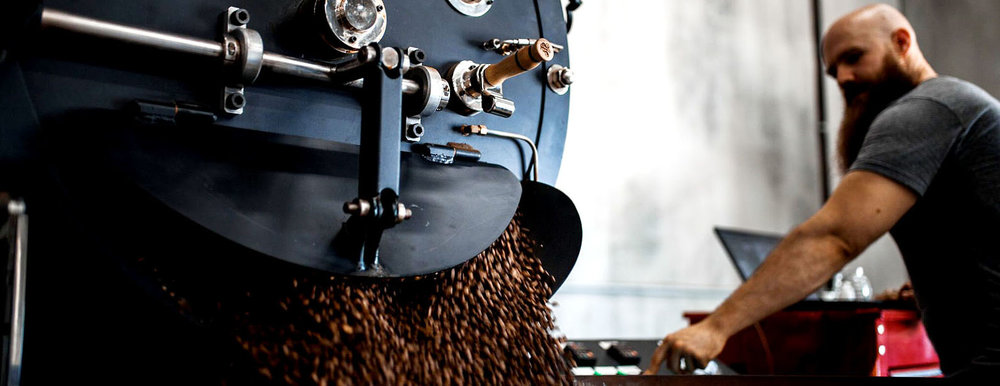
Professional coffee knowledge exchange more coffee bean information Please follow coffee workshop (Wechat official account cafe_style) in China, where coffee consumption is growing rapidly, the coffee industry has shown an unprecedented active state in recent years. Thanks to the rapid expansion of international chain brands and the promotion of local Internet coffee brands, Chinese people's awareness and acceptance of coffee are also.
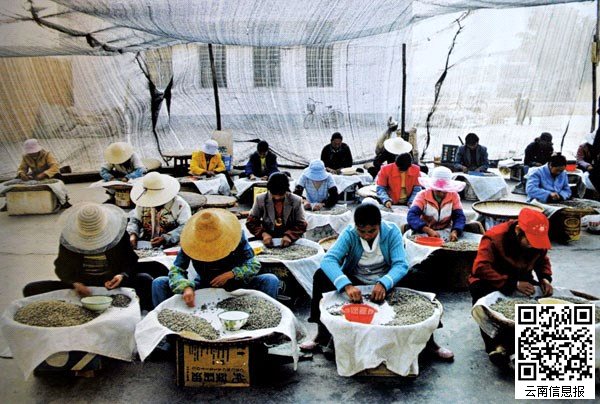
Yunnan coffee beans are harvested at the end of this season, and the current purchase price is slightly profitable.
The farmers are sorting coffee beans. Our reporter Zhao Yongfeng photographed in late April, Yunnan coffee harvest work has been completed, and in 2014 2015 this harvest season, Yunnan coffee bean prices can be described as twists and turns, from the peak of about 26 yuan / kg to the current 18 yuan / kg, coffee bean prices have dropped by about 8 yuan / kg. For the fluctuation of coffee price in Yunnan, Yunnan Province
About the drying of coffee beans
After the wet treatment process, the coffee beans are still preserved within the endocarp shell, which still contains about 15% water. The endocarp must be dried to a moisture content of approximately 11% to ensure that the beans are stored in a stable and safe environment. Moisture content is critical because if arabica beans are over-dried to a moisture content of 10%, they lose